
Dietitian Natasha Mohan is one of the most influential and renowned nutritionist and dietitian, with over 3 Million Followers on YouTube and 200+ Million Views and with 10+ Years of Experience. Dietitian Natasha Mohan is a transformation expert, Motivational Speaker and Lifestyle Expert. She has touched million of lives. She specializes in Therapeutic Diets Like, PCOS/PCOD, Thyroid, Diabetes, Cholesterol, Blood pressure, and other lifestyle disorder.
Managing diabetes begins with your first meal of the day, and choosing the right Indian breakfast for diabetics can set the tone for stable blood sugar levels and lasting energy. Traditional Indian cuisine offers plenty of delicious and wholesome options that are not only low on the glycemic index but also packed with nutrients.
Breakfast is essential for everyone, but it holds greater importance for people with diabetes. A healthy breakfast prevents blood sugar spikes, supports weight management, and keeps you full for longer, reducing cravings throughout the day. Choosing the right Indian breakfast for diabetics helps maintain a balance of complex carbs, healthy fats, fiber, and protein.
Before jumping into the recipes, here are the nutritional components you should focus on:
High fiber: Slows sugar absorption and keeps you full.
Low glycemic index (GI): Minimizes blood sugar spikes.
Protein-rich: Helps in better glucose control.
Healthy fats: Support heart health and improve insulin sensitivity.
Let’s now explore some easy and tasty recipes for a healthy Indian breakfast for diabetics.
Why it works: Rich in protein and fiber, low in carbs.
Ingredients:
1 cup soaked yellow moong dal
Green chili, ginger, coriander
Pinch of turmeric and salt
Olive oil or ghee for cooking
Method:
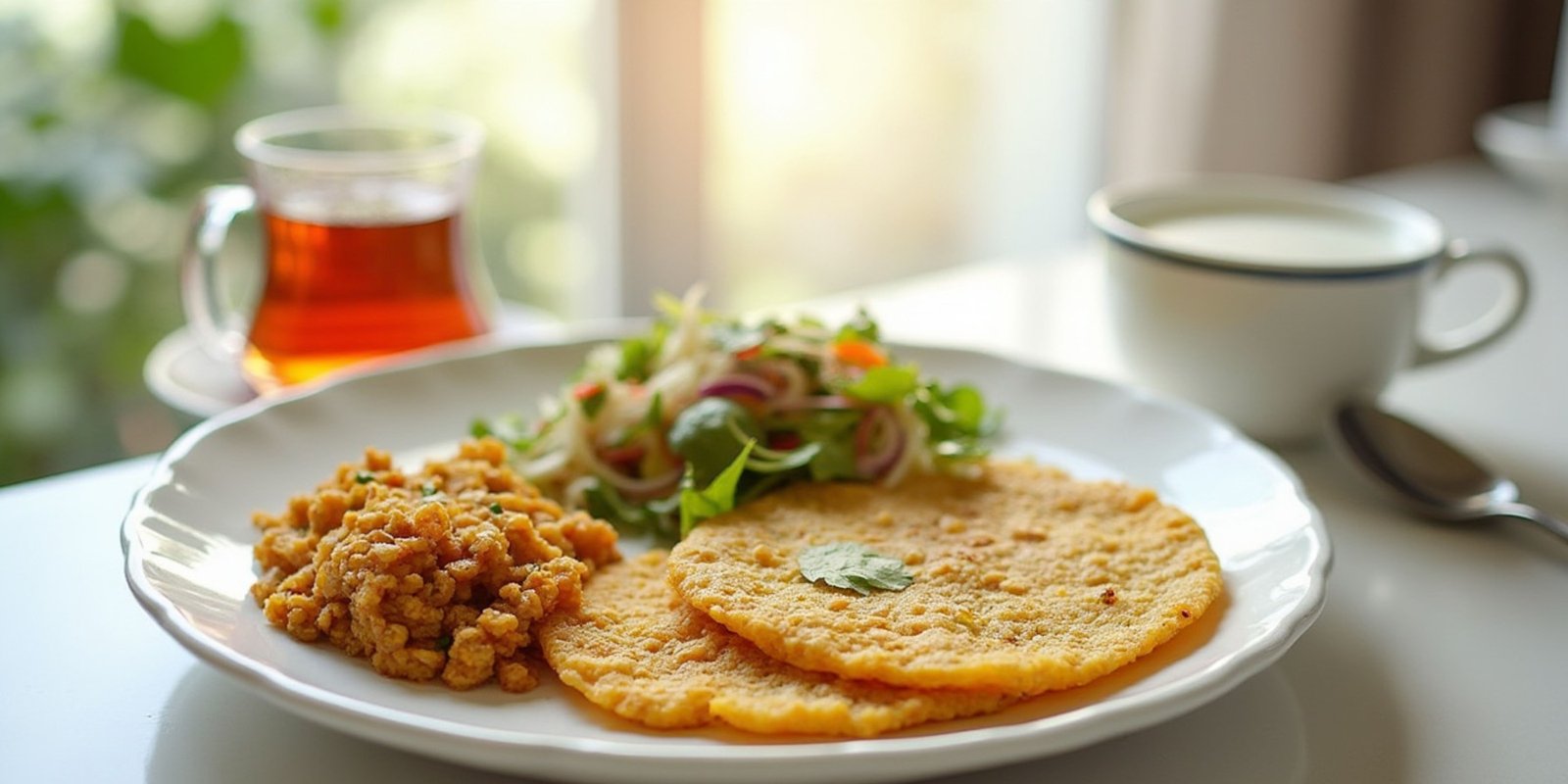
Grind soaked dal with spices into a batter. Cook on a non-stick tawa with a little oil. Serve with mint chutney or low-fat curd.
Diabetic tip: Add chopped spinach or methi for extra fiber.
Why it works: Oats are rich in beta-glucan fiber which helps reduce blood sugar levels.
Ingredients:
1 cup oats
Chopped carrots, beans, peas
Mustard seeds, curry leaves
Salt, turmeric
Method:
Roast oats. In another pan, sauté veggies with tempering. Add water and oats, cook until soft.
Diabetic tip: Avoid semolina (sooji) and choose rolled oats instead.
Why it works: Chickpea flour has a low glycemic load and is rich in protein.
Ingredients:
1 cup besan
Onion, green chili, coriander
Water, salt, turmeric
Method:
Make a batter and cook like a pancake. Serve hot with tomato chutney.
Diabetic tip: Add grated lauki (bottle gourd) for extra volume and moisture.
Why it works: Quinoa is a high-protein, gluten-free grain with a low GI.
Ingredients:
1 cup cooked quinoa
Chopped onions, peas, peanuts
Mustard seeds, turmeric, lemon juice
Method:
Prepare like traditional poha. Replace flattened rice with quinoa.
Diabetic tip: Use steamed vegetables instead of starchy potatoes.
Why it works: A high-protein, low-carb combo that’s perfect for mornings.
Ingredients:
1 cup sprouted moong
Chopped cucumber, tomato, onion
Cubes of paneer (low-fat preferred)
Lemon juice, salt, pepper
Method:
Mix all ingredients in a bowl and serve fresh.
Diabetic tip: Add a spoon of flaxseeds for healthy omega-3 fats.
Start your morning with:
Cinnamon tea: Helps regulate blood sugar
Fenugreek (methi) water: Improves insulin sensitivity
Tulsi tea: Anti-inflammatory and stress-reducing
Choosing the right Indian breakfast for diabetics doesn’t mean giving up on taste. With the right mix of fiber, protein, and low-GI carbs, you can enjoy traditional flavors while keeping your sugar levels in check. Recipes like the Pesarattu Dosa Recipe — made from protein-rich green gram — are perfect examples of how you can balance nutrition and taste. These easy and tasty recipes are proof that healthy eating can be both satisfying and sustainable. Whether you’re newly diagnosed or managing diabetes for years, starting your day with a balanced Indian breakfast for diabetics can lead to improved energy and better blood sugar control throughout the day.
Yes, but only if made with whole wheat, little oil, and stuffed with low-carb veggies like methi or lauki.
Traditional idlis made from white rice are not ideal. Instead, use oats or ragi to make diabetic-friendly idlis.
Flattened rice (poha) has a moderate glycemic index. It can be consumed occasionally with veggies and peanuts for fiber and protein.
Yes, low-GI fruits like berries, apple, papaya, and guava are good in moderate amounts with your breakfast.
Avoid sugary cereals, white bread, refined flour, fried items, and sweetened tea or coffee.