Dietitian Natasha Mohan

The Best Diet for Cricketers
Dt. Natasha Mohan

Dt. Natasha Mohan

Dietitian Natasha Mohan is one of the most influential and renowned nutritionist and dietitian, with over 3 Million Followers on YouTube and 200+ Million Views and with 10+ Years of Experience. Dietitian Natasha Mohan is a transformation expert, Motivational Speaker and Lifestyle Expert. She has touched million of lives. She specializes in Therapeutic Diets Like, PCOS/PCOD, Thyroid, Diabetes, Cholesterol, Blood pressure, and other lifestyle disorder.

Table of Contents

The Best Diet for Cricketers: Fueling Peak Performance on the Field

Cricket isn’t just a sport—it’s a way of life. From grueling practice sessions to high-stakes matches, Diet for cricketers pour their hearts into every game. But here’s a secret that often gets overlooked: a cricketer’s diet can be the difference between an average performance and an unforgettable one.

Understanding Nutritional Needs

Macronutrients: Building Blocks of Energy

  • Carbohydrates: The primary energy Diet for cricketers. Foods like whole grains, fruits, and sweet potatoes help sustain energy throughout the game.
  • Proteins: Essential for muscle repair and recovery. Think lean meats, eggs, and plant-based options like lentils and tofu.
  • Fats: Healthy fats from avocados, nuts, and olive oil provide long-lasting energy without the crash.

Micronutrients: The Hidden Essentials

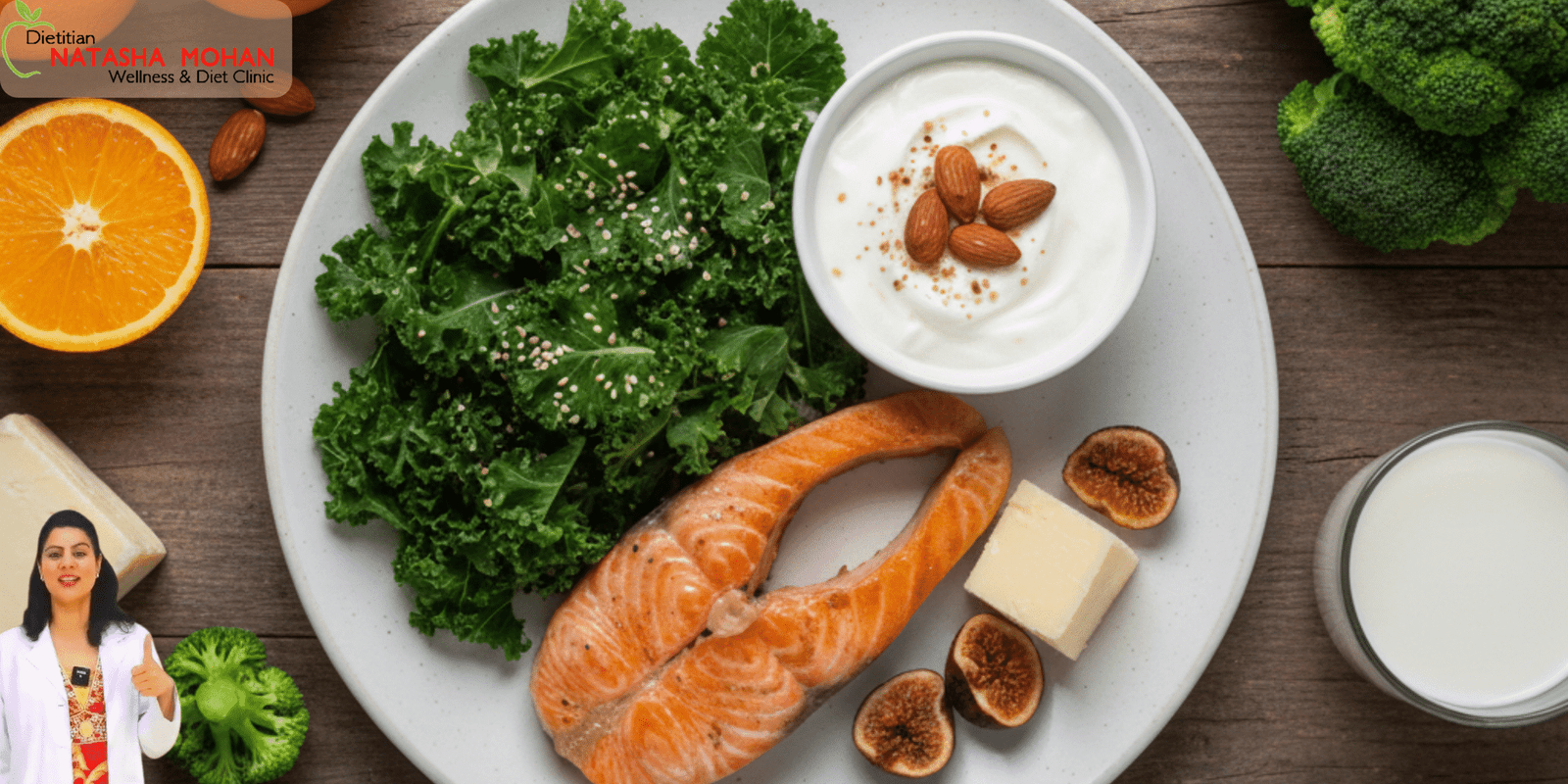
  • Vitamins and Minerals: Iron for stamina, calcium for bone health, and vitamin D for overall strength. Incorporate leafy greens, dairy, and fish into your meals.

Hydration: The Unsung Hero

Water keeps the body running smoothly, but cricketers also benefit from electrolyte-rich drinks to replenish what’s lost in sweat.

Pre-Match Nutrition

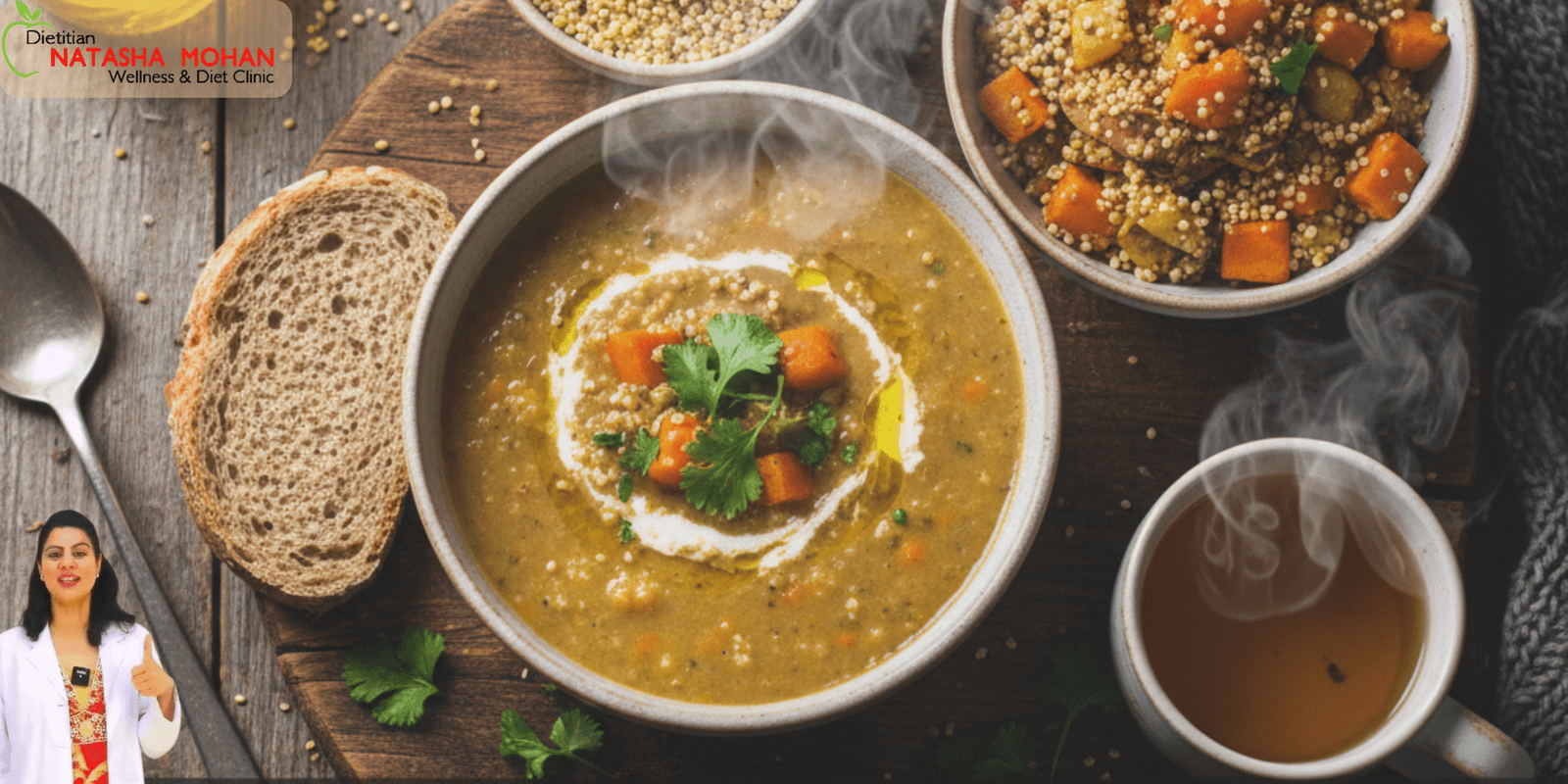
Fueling up before a match is like revving an engine before a race. A balanced meal with complex carbs, proteins, and a touch of healthy fat 2-3 hours before the game ensures sustained energy. Oatmeal with fruit or grilled chicken with quinoa works wonders.

In-Match Nutrition

During those long hours on the field, quick snacks like bananas, granola bars, or energy gels keep fatigue at bay. Sipping water or electrolyte drinks every 15-20 minutes is equally vital.

Post-Match Recovery

After the final whistle, recovery begins. A combination of protein and carbs within 30 minutes helps repair muscles and restore glycogen levels. A smoothie with whey protein, a banana, and almond milk is a perfect example.

Daily Nutrition Plan

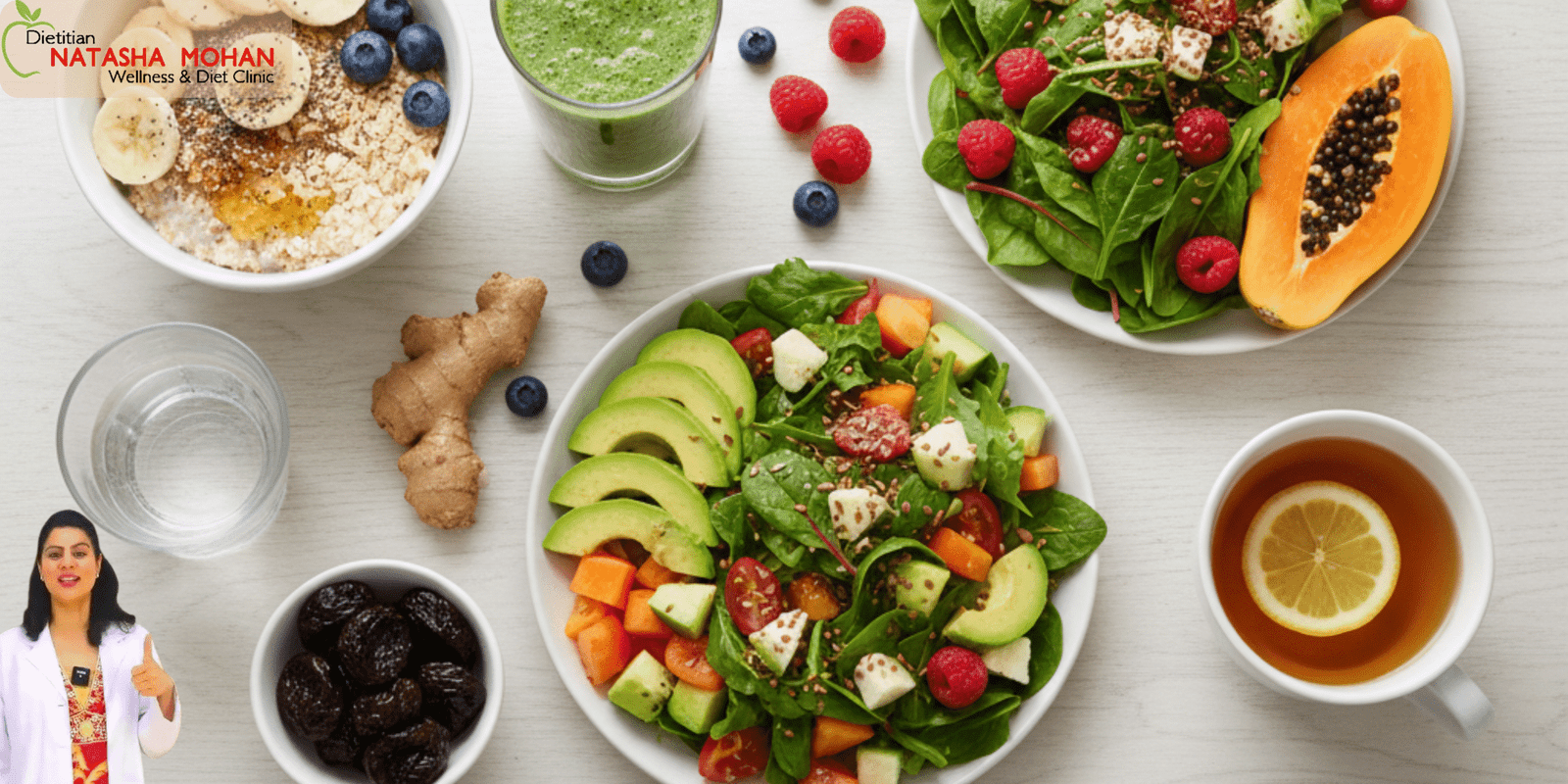
  • Breakfast: A hearty mix of proteins and carbs like eggs on whole-grain toast with avocado.
  • Lunch: A balanced meal of grilled fish, brown rice, and steamed vegetables.
  • Dinner: Lean meats or legumes with roasted veggies and quinoa.
  • Snacks: Nuts, yogurt, or a piece of fruit between meals.

Diet Tips for Different Player Roles

  • Batsmen: Focus on endurance-enhancing carbs and brain-boosting fats.
  • Bowlers: Protein-rich meals for muscle repair and strength.
  • Fielders: Snack on quick-energy foods like dried fruits and nuts.

Supplements and Diet for Cricketers

Supplements like creatine, whey protein, and omega-3 can be helpful but should only be used under expert guidance.

Common Mistakes to Avoid

Skipping meals or ignoring hydration can derail performance. Make your meals count and keep a water bottle handy.

The Role of Mental Fitness in Nutrition

Your brain needs food too! Omega-3s from fish and antioxidants from berries keep you sharp and focused.

Dietary Adjustments for Different Seasons

During the off-season, focus on building strength. In the tournament season, maintain energy with carb-heavy meals.

Cultural and Regional Considerations

Diet for Cricketers often face the challenge of balancing traditional cuisines with nutritional needs. A mix of local ingredients and healthy tweaks can solve this.

Importance of Consulting Experts

No two bodies are the same. A personalized diet from a nutritionist can maximize your potential on and off the field.

Conclusion

Your journey as a cricketer isn’t just about training hard; it’s about eating smart. Prioritize your nutrition with a diet plan for weight loss for teenage girl, and you’ll see the difference not just in your performance but in your confidence and resilience.

A balanced meal of complex carbs, proteins, and healthy fats 2-3 hours before the game is ideal.

Both are crucial, but hydration directly impacts endurance and focus.


Yes, especially for post-match recovery, but they should complement a balanced diet.

Focus on whole foods, avoid junk, and stay hydrated.

A mix of protein and carbs like grilled chicken with sweet potato or a recovery smoothie.