
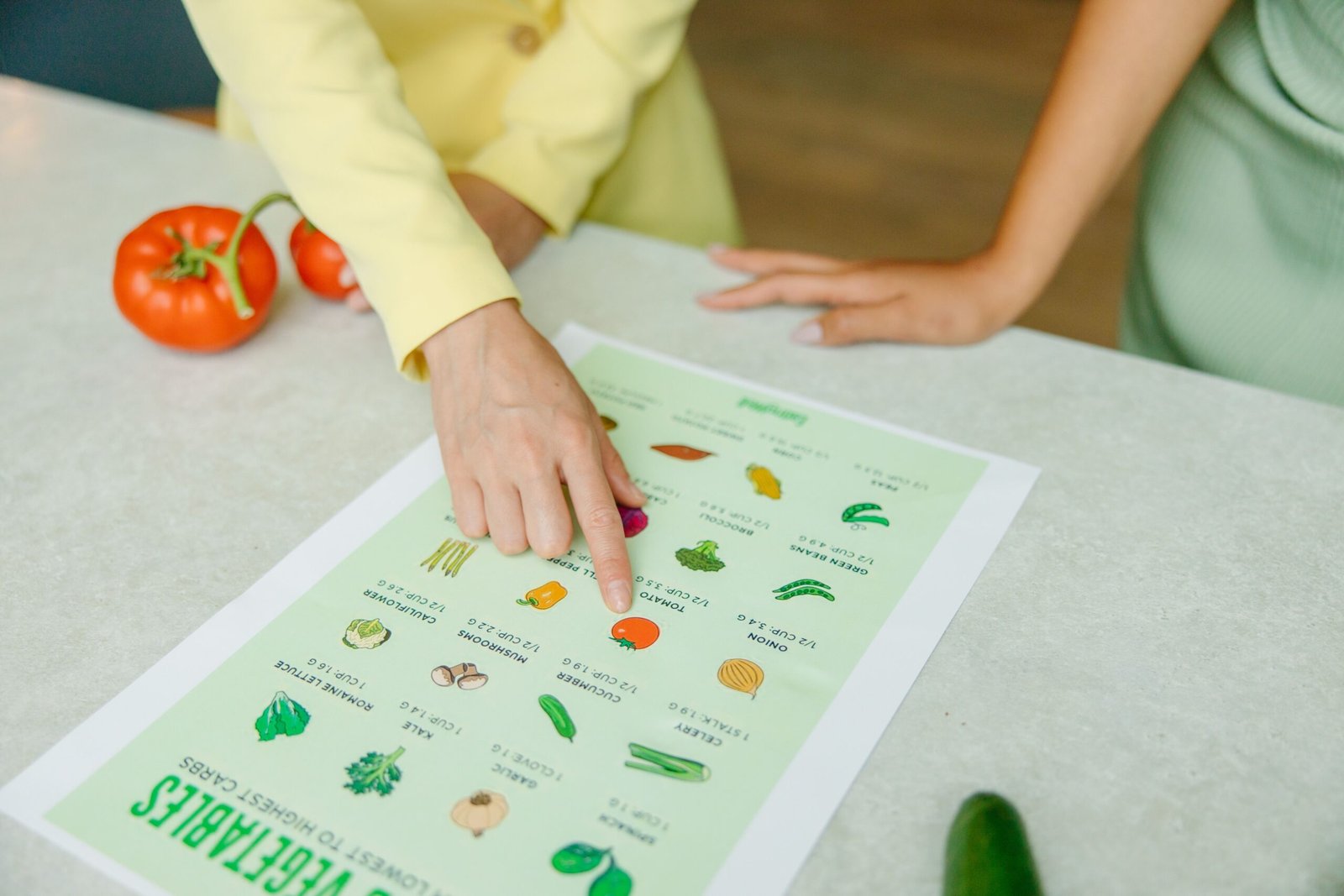
Managing PCOS can often feel overwhelming; unexpected weight gain, hormonal imbalance, cravings, acne, and irregular periods can affect both physical and emotional well-being. But one of the most powerful ways to manage these symptoms naturally starts with your plate.
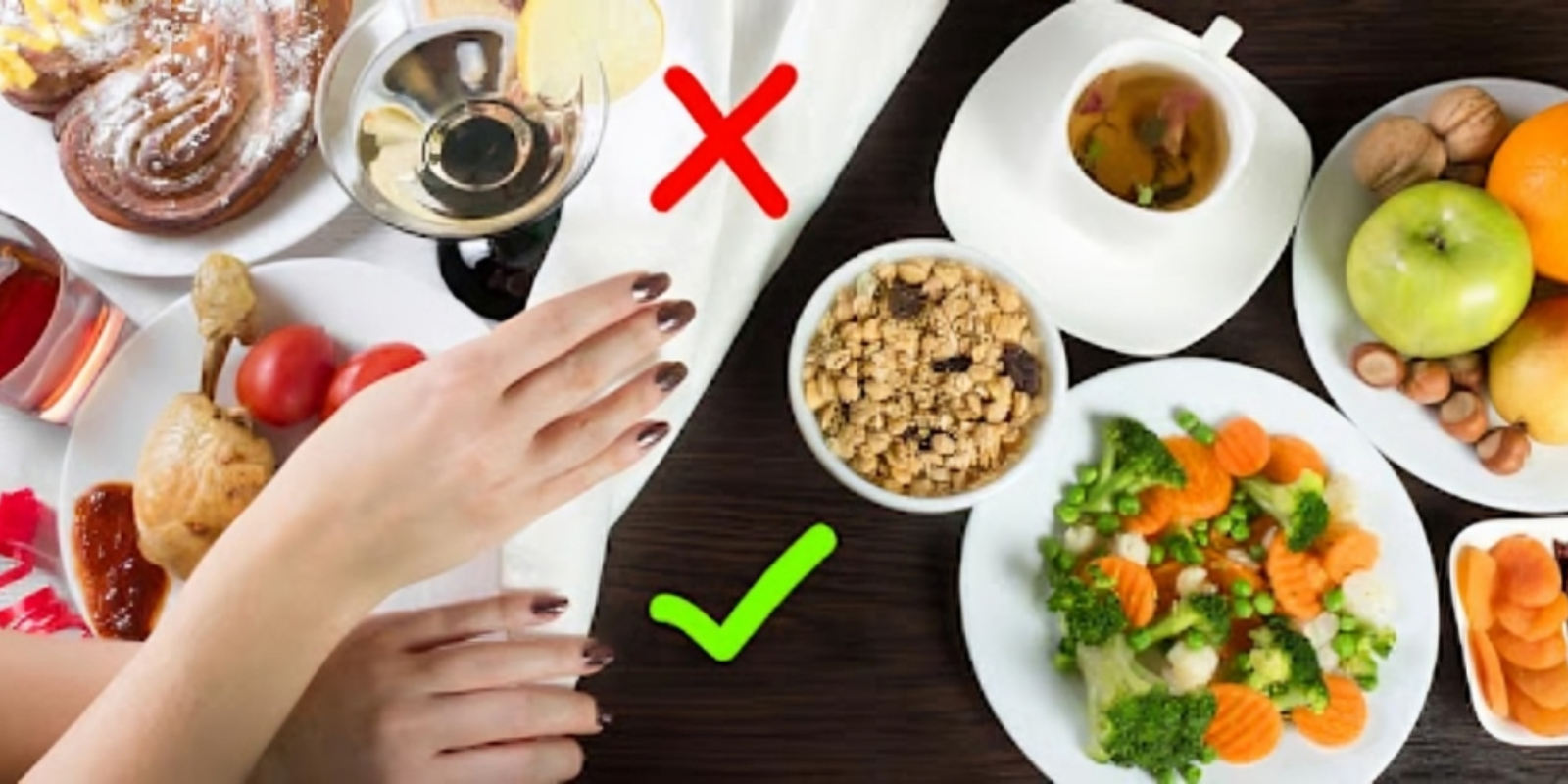
The right PCOS diet plan can help support hormonal balance, reduce inflammation, and improve overall health. Knowing the right foods to eat for PCOS and understanding the foods to avoid in PCOS can make a significant difference in managing symptoms more effectively.
Let us help you learn about the best foods for a balanced PCOS hormonal imbalance diet, the worst foods for PCOS, and simple dietary changes that can help you feel healthier, more energetic, and in control of your body.
Why Diet Matters in PCOS?
Diet plays a major role in managing PCOS because food directly affects hormones, insulin levels, inflammation, and overall metabolism. Many women with PCOS experience insulin resistance, which can lead to weight gain, cravings, irregular periods, and difficulty maintaining hormonal balance.
Following a balanced PCOS hormonal imbalance diet can help regulate blood sugar levels, reduce inflammation, improve energy, and support healthier hormone function. Choosing the right foods to eat for PCOS while avoiding trigger foods can also help manage symptoms like acne, fatigue, and mood fluctuations more effectively.
What are the Foods to Eat for PCOS?
Choosing the right foods to eat for PCOS can help improve hormonal balance, reduce inflammation, and support better overall health. A balanced and nutrient-rich diet plays an important role in managing PCOS symptoms naturally.
- Leafy Green Vegetables: Spinach, kale, broccoli, and other green vegetables are rich in fiber, vitamins, and antioxidants that support hormone health and digestion.
- Healthy Fats: Foods like avocados, nuts, seeds, olive oil, and fatty fish provide healthy fats that help reduce inflammation and support hormone production.
- Lean Protein: Eggs, chicken, fish, tofu, lentils, and Greek yogurt help maintain stable blood sugar levels and keep you feeling fuller for longer.
- Low-Glycemic Fruits: Fruits like berries, apples, pears, and oranges release sugar slowly into the bloodstream, helping manage insulin resistance in PCOS.
- Whole Grains: Oats, quinoa, brown rice, and whole wheat are high in fiber and help regulate blood sugar levels more effectively than refined carbohydrates.
- Anti-Inflammatory Foods: Turmeric, ginger, green tea, walnuts, and salmon are excellent additions to an anti-inflammatory diet for PCOS, helping reduce inflammation and improve hormonal balance naturally.
What are the Foods to Avoid in PCOS?
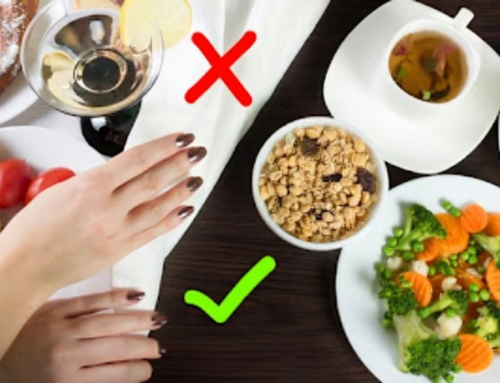
Understanding the foods to avoid in PCOS is equally important as choosing the right foods. Certain foods can increase inflammation, worsen insulin resistance, and trigger hormonal imbalances, making PCOS symptoms harder to manage.
- Sugary Foods and Drinks: Soft drinks, candies, pastries, and excess sugar can cause sudden blood sugar spikes and worsen insulin resistance.
- Refined Carbohydrates: White bread, pasta, bakery products, and refined flour products are among the worst foods for PCOS as they quickly raise blood sugar levels.
- Processed Foods: Packaged and processed foods often contain unhealthy fats, preservatives, and excess sodium that may increase inflammation.
- Fried and Fast Foods: Deep-fried foods and fast food items can contribute to weight gain, inflammation, and hormonal imbalance in PCOS.
- Excess Dairy (if sensitive): Some women with PCOS may notice increased acne or digestive discomfort with excessive dairy consumption, especially processed dairy products.
- Highly Processed Snacks: Chips, instant noodles, sugary cereals, and packaged snacks provide low nutritional value and may negatively affect hormonal health.
Creating the Right PCOS Diet Plan
A balanced and realistic diet plan can help manage PCOS symptoms more effectively by supporting hormonal balance, improving energy levels, and reducing inflammation.
Here is a simple and relatable PCOS diet plan that includes the right foods to eat for PCOS while avoiding unhealthy triggers.
| Time | Meal | PCOS-Friendly Food Options |
| Morning (Empty Stomach) | Hydration | Warm water with lemon or soaked chia/flax seeds |
| Breakfast | Balanced Meal | Oats with nuts & seeds, vegetable poha, or eggs with whole wheat toast |
| Lunch | High-Protein Meal | Brown rice/roti with vegetables, dal, grilled chicken, tofu, or paneer |
| Evening Snack | Healthy Snack | Roasted makhana, sprouts salad, or herbal tea |
| Dinner | Light & Nutritious Meal | Soup, quinoa, sautéed vegetables, grilled fish, or multigrain roti with sabzi |
| Before Bed | Optional | Turmeric milk or a small portion of seeds/nuts |
Simple Diet Tips to Manage PCOS Naturally
Managing PCOS does not always require extreme diets or complicated routines. Small and consistent dietary changes can make a big difference in improving hormonal balance and overall health.
- Prioritize Protein and Fiber: Include protein-rich and fiber-rich foods in every meal to help manage hunger and stabilize blood sugar levels.
- Reduce Sugar Intake: Limiting sugary drinks, desserts, and processed snacks can help reduce insulin spikes and inflammation.
- Choose Whole Foods: Focus on fresh fruits, vegetables, whole grains, healthy fats, and lean proteins instead of packaged foods.
- Stay Hydrated: Drinking enough water throughout the day supports digestion, metabolism, and overall hormonal health.
- Avoid Skipping Meals: Eating balanced meals on time can help regulate energy levels and prevent unhealthy cravings.
- Follow an Anti-Inflammatory Diet: Adding anti-inflammatory foods like turmeric, nuts, seeds, berries, and green tea may help manage PCOS symptoms naturally.
Conclusion
Managing PCOS is not about following strict diets or completely avoiding your favorite foods; it is about creating healthier, sustainable eating habits that support your body and hormones. Choosing the right foods to eat for PCOS while limiting the foods to avoid in PCOS can help reduce inflammation, improve energy levels, and support long-term hormonal balance naturally.
Small and consistent dietary changes can make a meaningful difference in managing PCOS symptoms more effectively. As highlighted through the balanced nutrition approach, a well-structured and realistic diet plan for PCOS can help women feel healthier, more confident, and more in control of their overall well-being.
FAQs
Q. Can diet help balance hormones in PCOS?
Yes, a healthy and balanced PCOS diet can help regulate insulin levels, reduce inflammation, and support better hormonal balance naturally.
Q. Is an anti-inflammatory diet good for PCOS?
Yes, an anti-inflammatory diet for PCOS may help reduce inflammation, improve metabolism, and manage symptoms like acne, fatigue, and irregular periods.
Q. Can PCOS symptoms improve naturally with diet?
Yes, consistent healthy eating habits and the right foods to eat for PCOS can help improve symptoms such as weight gain, cravings, irregular cycles, and low energy levels naturally.


Leave A Comment